Retreat Programme · Winter Edition 2026
A Five Elements Yin Yoga retreat in Andong, Korea — six slow days in a hanok village above a lake with a village beneath it.
Where the story begins
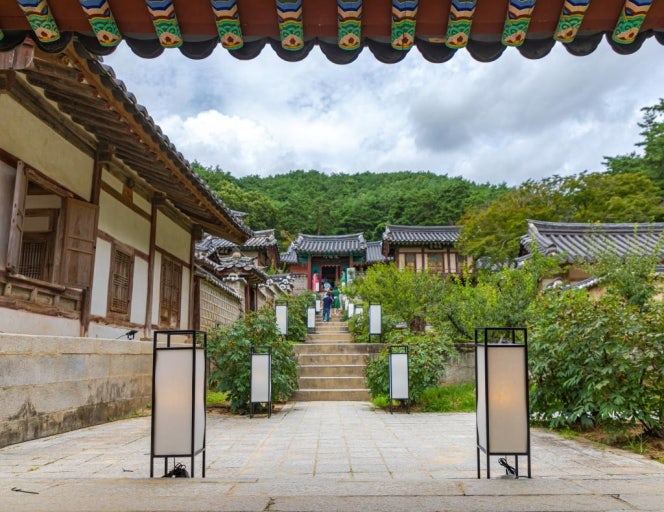
Fifty years ago, when the Andong Dam was built, a whole town disappeared under the water: Seonseonghyeon, the old county seat, with its market, its school and the homes of families who had lived there for centuries. The town's hall was rebuilt on the hill above. That is where you sleep.
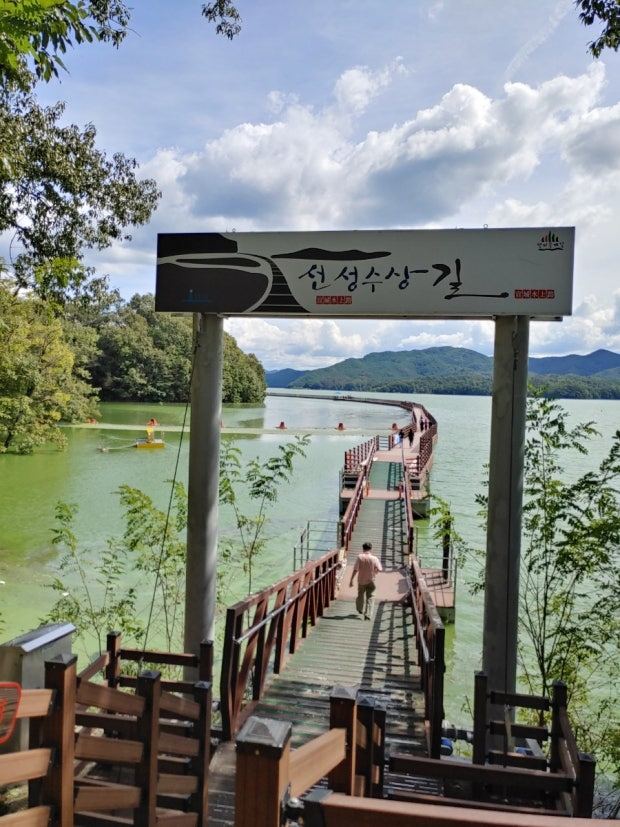
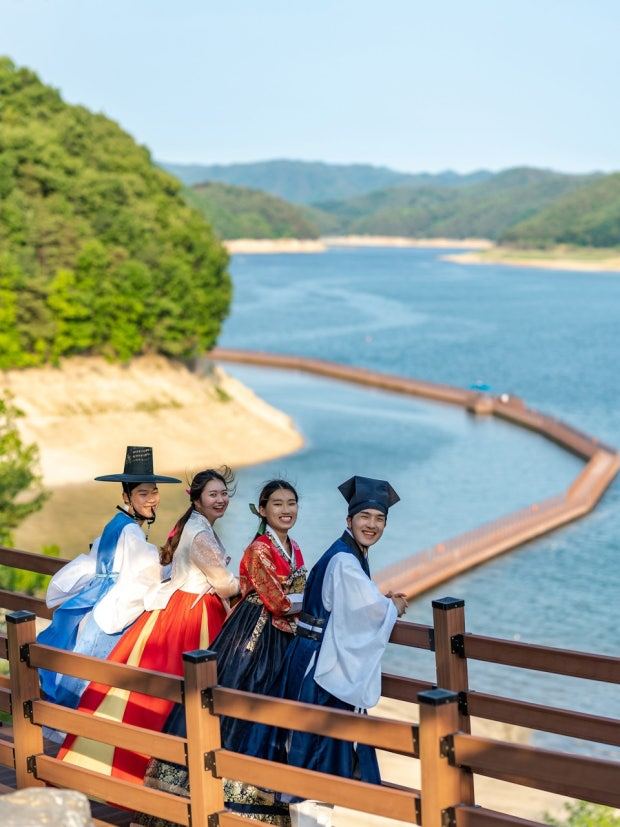
Every morning you walk a wooden path that floats along the shore — above the streets where those families once lived. Nothing dramatic is said about it. But by the end of the week you will understand something Koreans have always known: the people who came before us are not gone. They are simply under the surface, and we walk on their ground.
"We do not teach people how to die. We show them where they come from, and let the rest follow."
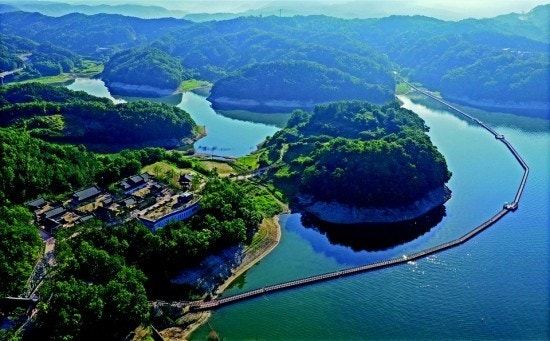
Seonseonghyeon hanok village on Andong Lake — the floating walkway traces the shore below.
Your host
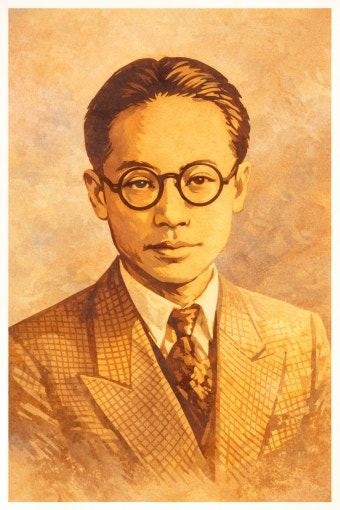
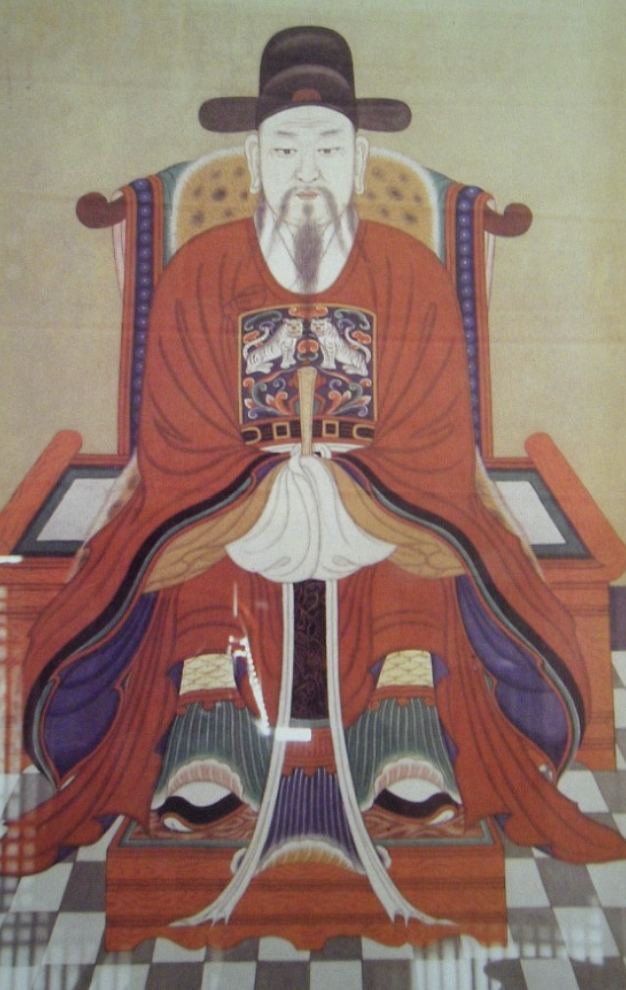
In the year 930, on the plain below what is now Andong, the future first king of Goryeo won the battle that decided the unification of Korea. Among the generals who fought beside him was Yu Geum-pil — honoured to this day at Taesamyo Shrine, where this retreat opens. His portrait hangs in his family's shrine, and his descendants still carry his name.

General Yu Geum-pil (d. 941) — portrait in the family shrine.

Lina Yoo — his descendant, 34 generations on. Your retreat lead.
The story of lineage this retreat tells is not a theme Lina chose. It is the one she was born into — and the reason it is told in Andong.
A yoga and meditation teacher from Seoul specialising in yin yoga, meridian theory and the Five Elements, Lina leads the Yin Yoga Night programme at Bongeunsa Temple, trains yin yoga teachers in Korea, and is the founder of Kelly Journey.

Day 2 — the names
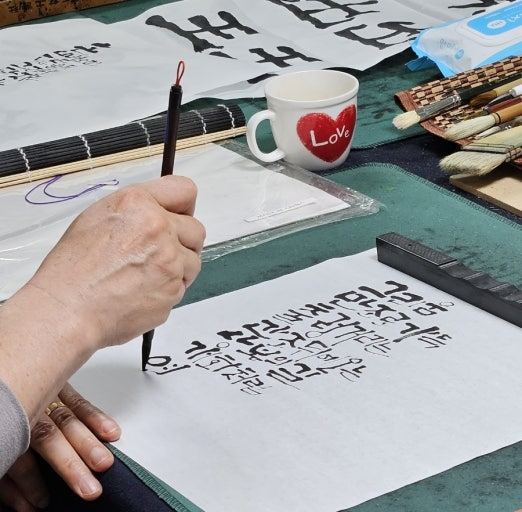
You brush-write your own name, and the names of your parents and grandparents. Your lineage begins on paper.

Day 4 — the paper
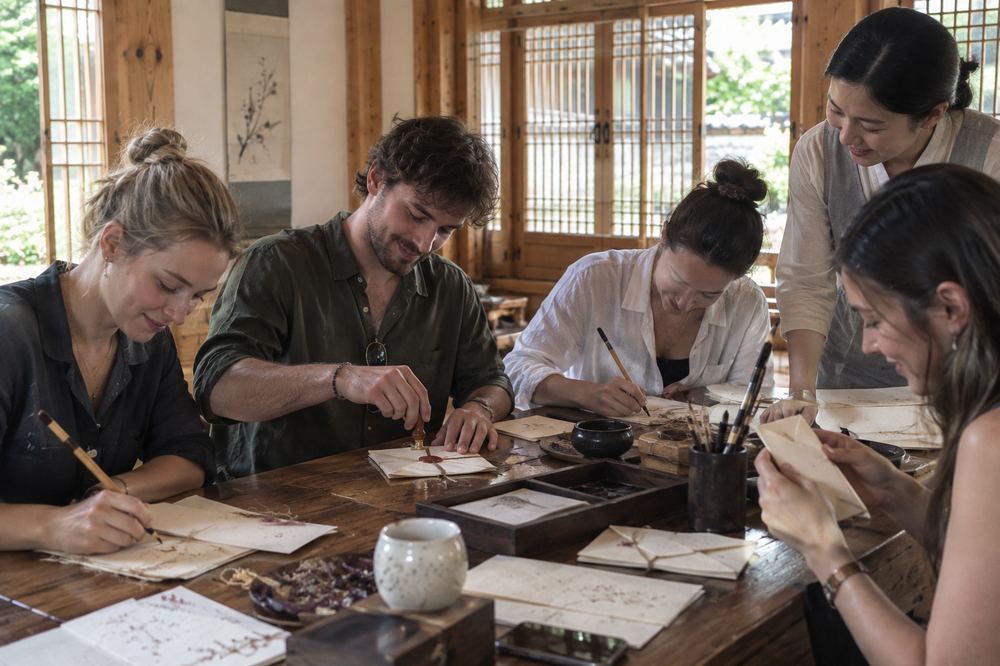
You make a sheet of hanji, handmade mulberry paper — then write a letter to those who come after you.

Day 6 — the seal
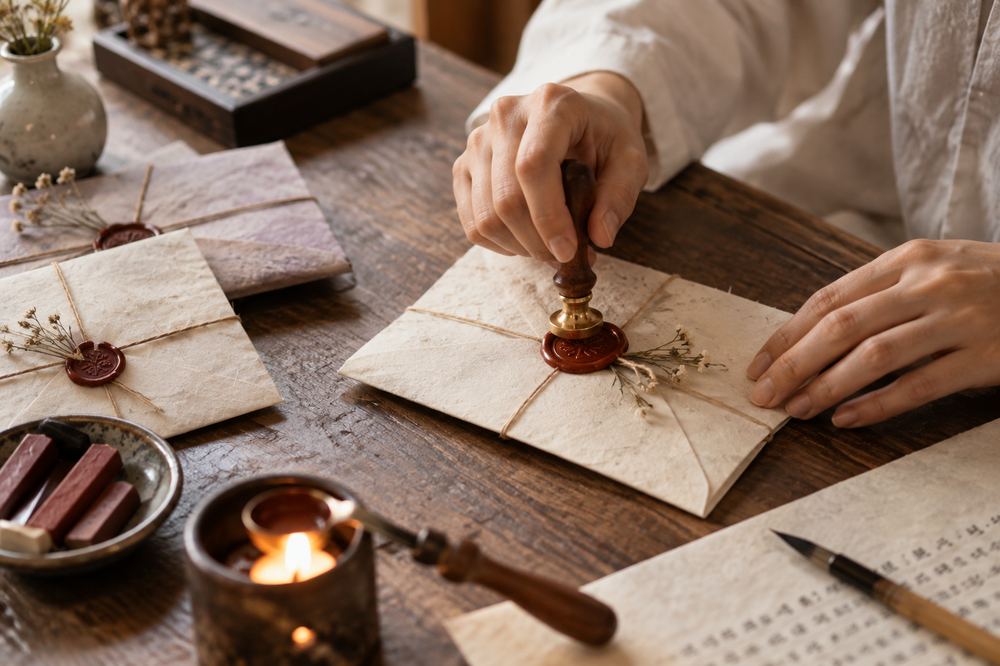
Your letter is sealed in a hanji envelope at the closing ceremony. Keep it, open it one day, or pass it on. That part is yours to decide.
The practice & your days
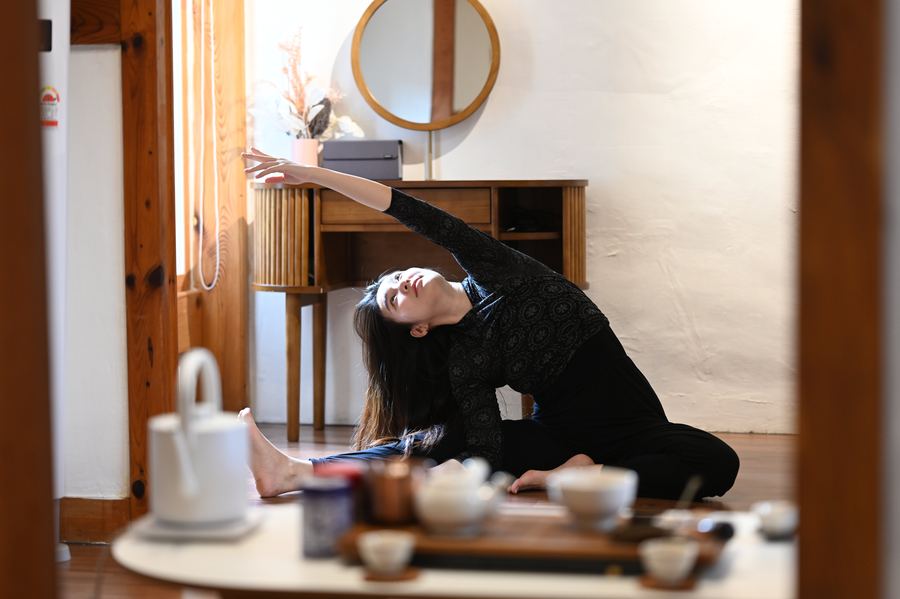
Yin yoga is slow. Postures are held for three to five minutes, mostly on the floor, supported by bolsters and blankets — no strength required, no flexibility to prove. Each morning follows the day's element and its meridians, so that by day six your body has travelled the whole cycle. December in Andong is dry, clear and cold; all sessions happen indoors on heated ondol floors, and we provide blankets, hot-water bottles and hand warmers. Everything is optional, and every posture has a chair alternative.
You sleep in Seonseonghyeon Hanok Village — every guest in their own private room with heated ondol floor and modern bathroom, two rooms to a house. At night you hear only the lake and the wind in the pines.
The six days
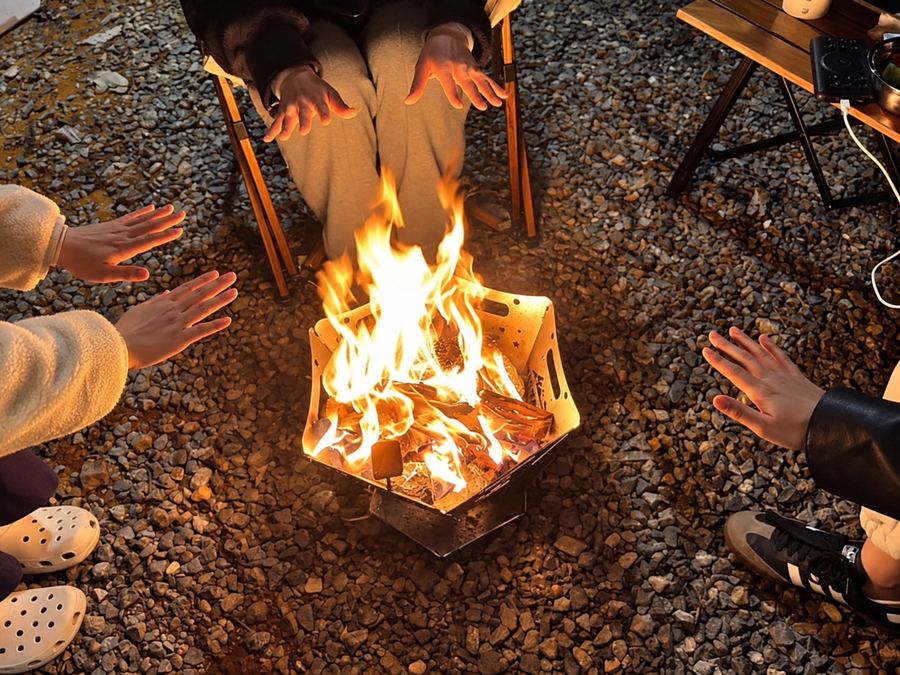
The evening circle by the brazierSpleen & stomach meridians — grounding.
We meet at Seoul Station and travel south by private coach. Lunch in Andong is geonjin-guksu, the town's hand-pulled noodles in hot broth. At Taesamyo Shrine we bow to the men who founded a kingdom here in 930 — one of them fought beside Lina's ancestor — then our first grounding practice in the heated hall beside the shrine. Check-in at the lake village, a first walk on the floating walkway before sunset, welcome dinner, and an opening circle by the brazier: where do I come from?
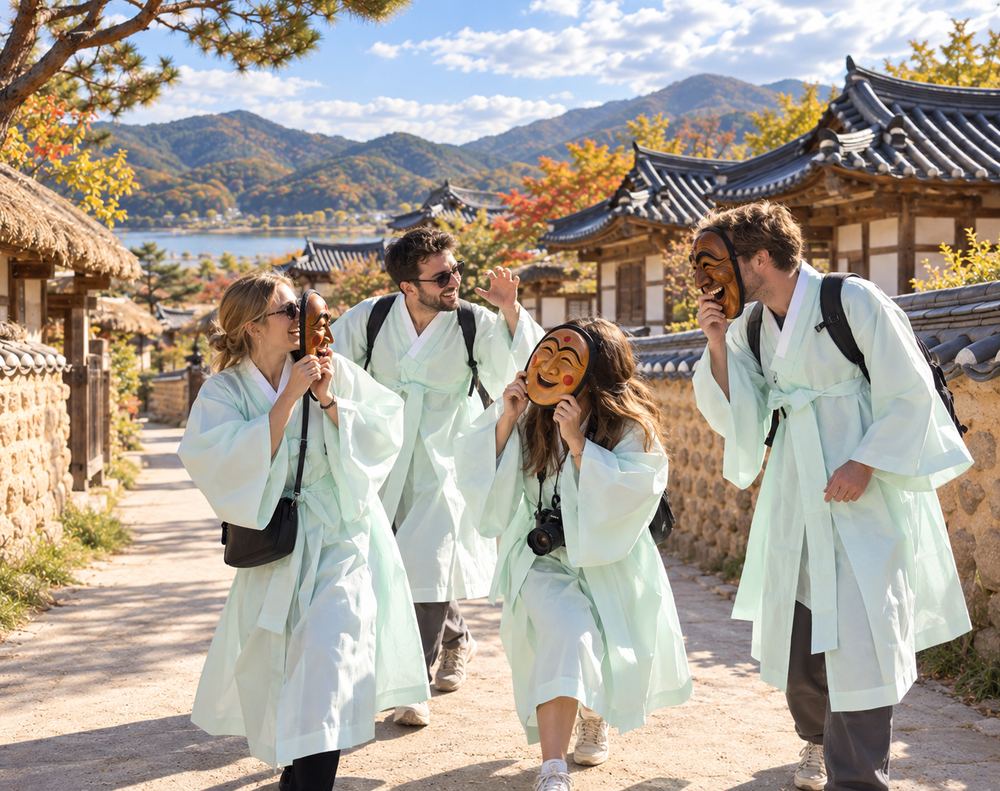
Hahoe Village — UNESCO World HeritageLiver & gallbladder meridians — hips, sides, the body waking like a spring shoot.
Wood is roots and growth. Yesterday you heard of a village that went under the water; today you visit one that stayed: Hahoe Folk Village, home of one family for six hundred years. Lunch is heotjesabap — the meal this family has set before its ancestors for six centuries, shared hot at the table. Then the 600-year-old Hahoe mask dance: farmers laughing at monks and noblemen, still performed by their descendants — laughter as a form of survival. Byeongsan Seowon before home; the evening circle asks about the spring of a life.


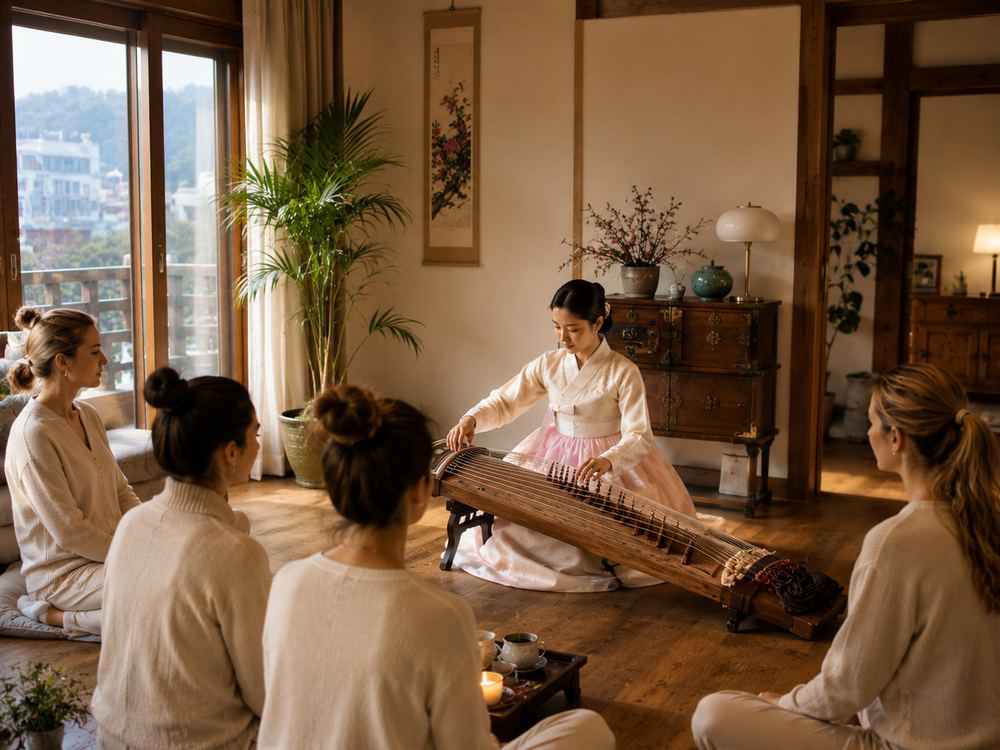
The gayageum eveningHeart & small intestine meridians — the chest, the arms, the breath.
A morning of heart openers, then Dosan Seowon, the 16th-century academy of the philosopher Toegye, where students learned how to live well and leave well. The Scholar's Pilgrimage Walk follows the Nakdong River to the house of the poet Yi Yuk-sa — born in this valley, of the same clan, fourteen generations later; he died in prison at forty for his country's freedom and left poems for the generations after him. Fire is the heart: devotion, and the relationships that outlive us. At night, a private gayageum concert in the hanok hall — we listen lying on the warm floor, and the music becomes a sound meditation with a glass of green-grape wine named after Yi Yuk-sa's best-loved poem.


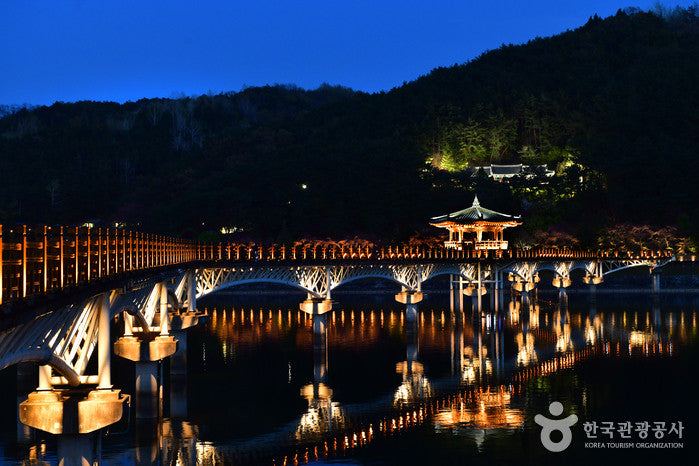
Woryeonggyo Bridge at dusk — photo: Korea Tourism OrganizationLung & large intestine meridians — breath, release, precision.
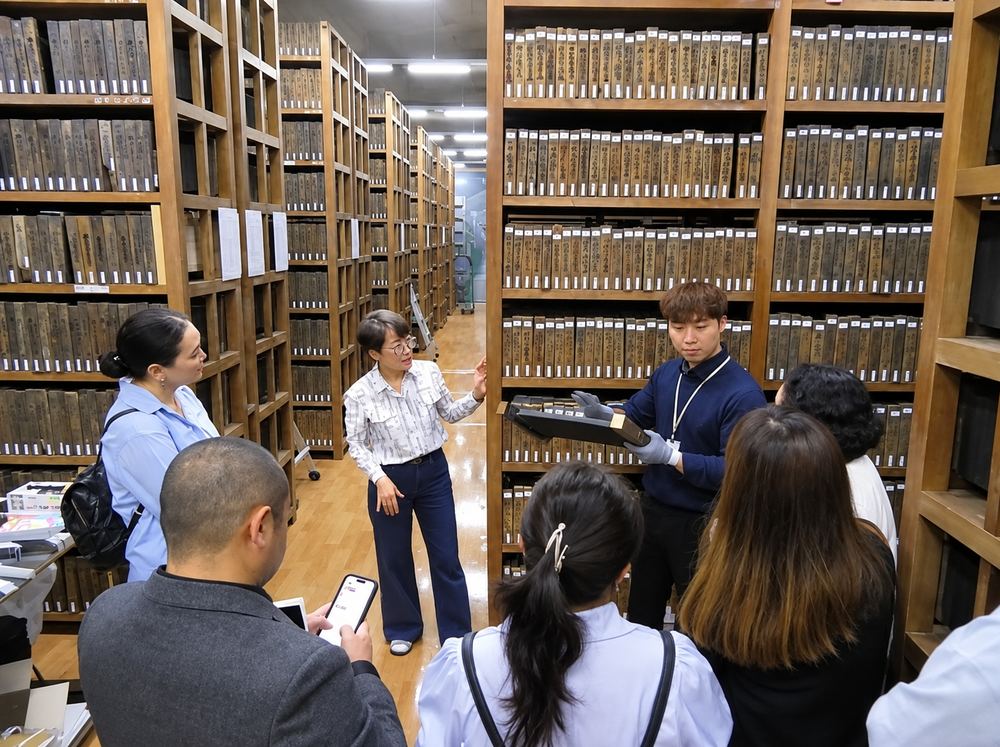
Metal is autumn: the breath goes out, and what is not needed is released. At the Korean Studies Institute you stand before 64,000 UNESCO-listed printing woodblocks — words families carved and kept for centuries so they would outlive them. In the hanji workshop you make the sheet of paper your own letter will be written on. After lunch the retreat goes quiet: a silent walk on the lake path, then Woryeonggyo Bridge at dusk and the story of Wonie's mother — a letter to her dead husband, written in 1586, found in his tomb four centuries later, still legible, still tender. Between a word that outlived its writers and a letter that outlived its reader, you write yours. Silence ends when you sleep.


Hakgasan hot springsKidney & bladder meridians — the back body, stillness, quiet.
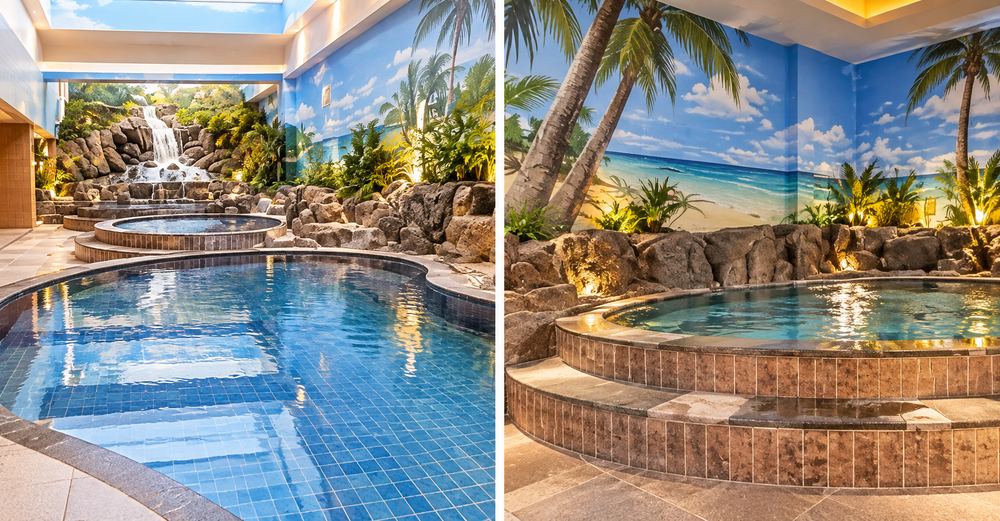
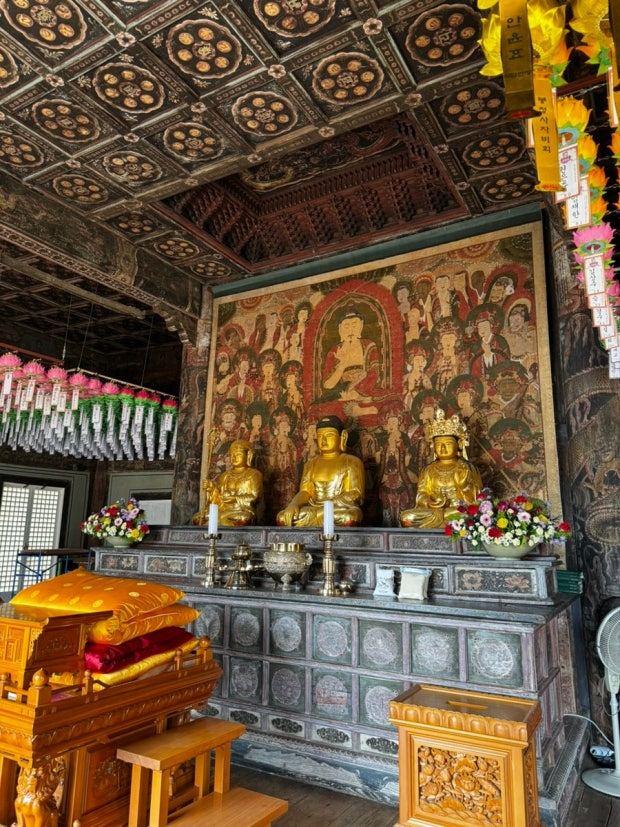
Dawn practice with the longest holds of the week; then the Water day begins in warm water — 90 minutes at Hakgasan hot springs, the oldest Korean winter ritual. At Bongjeongsa, the mountain temple holding Korea's oldest wooden hall, a guided maranasati meditation in the Buddhist tradition — mindfulness of mortality, held gently and with a way back — then a temple-style lunch. In the afternoon, a body ritual on the ondol floor with Andong hemp seed oil and warm cloths. The farewell table, and a fire circle by the lake where the week began: what would you keep, what would you let go?

A last practice at dawn — a short Earth sequence to close the circle. At the closing ceremony your letter is sealed in a hanji envelope, for you to keep, open, or pass on. A stop at Andong traditional market for apples, yam and hemp cloth, then the coach home: Seoul by mid-afternoon, with onward help for guests continuing to Gyeongju, Busan or Jeju.
What you take home: a sealed letter on paper you made. A body that has moved through all five elements. And a way of seeing that stays longer than the photographs — that you are one link in a chain, and the chain holds.

Food & team
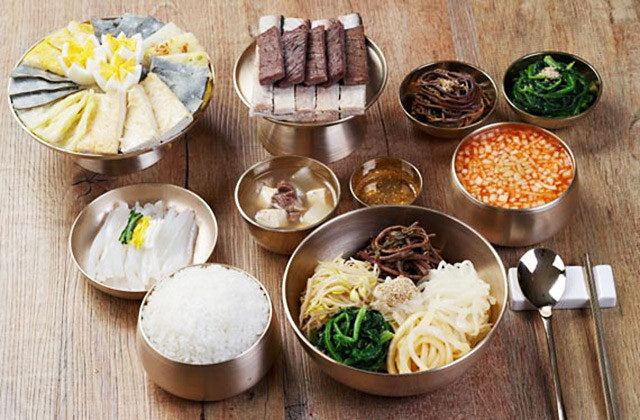
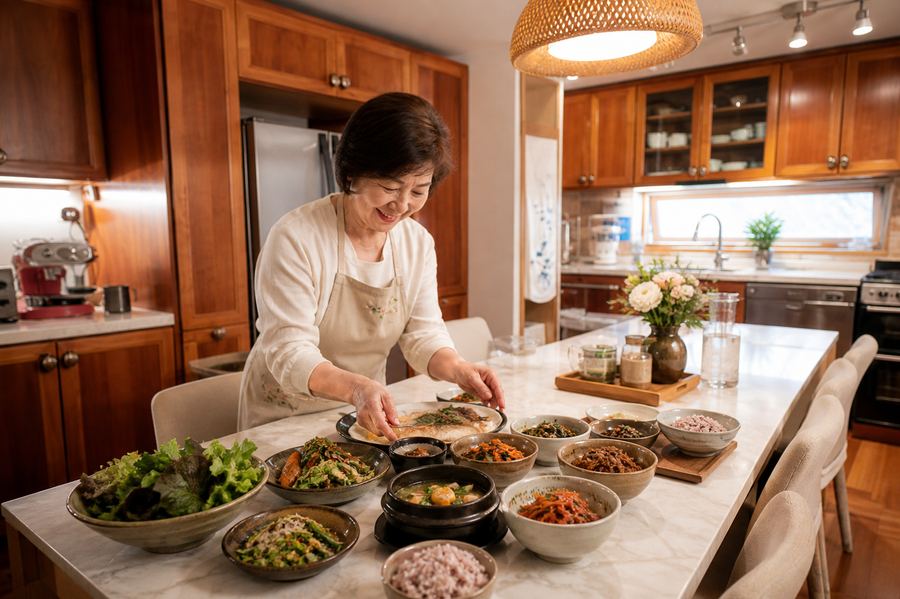
Healthy, organic and local, always warm — Korean home-style and temple-style cooking with Andong's winter produce: wild yam, apples, dried mountain greens, fermented soy, tofu and rice from the surrounding valleys. Heotjesabap, geonjin-guksu, Andong bibimbap, winter namul, and a farewell table on the last evening. Vegetarian, vegan and gluten-free are easy; tell us at booking.
Team Kelly — five people for 8 to 12 guests. Lina (retreat lead), Tailer (licensed guide & interpreter), Min (coordinator, first-aid certified, retreat photographer), James (driver, all transfers) and Susan (hanok host) — an English-speaking team with you throughout.

Home-style cooking with Andong's winter produce.
Dates and price
8–12 guests only. Reserve with a 30% deposit, or write to us with your questions — we answer within a day.
or email info@kellyjourney.com · Prices and dates valid for the December 2026 departure; final terms confirmed in writing at booking.